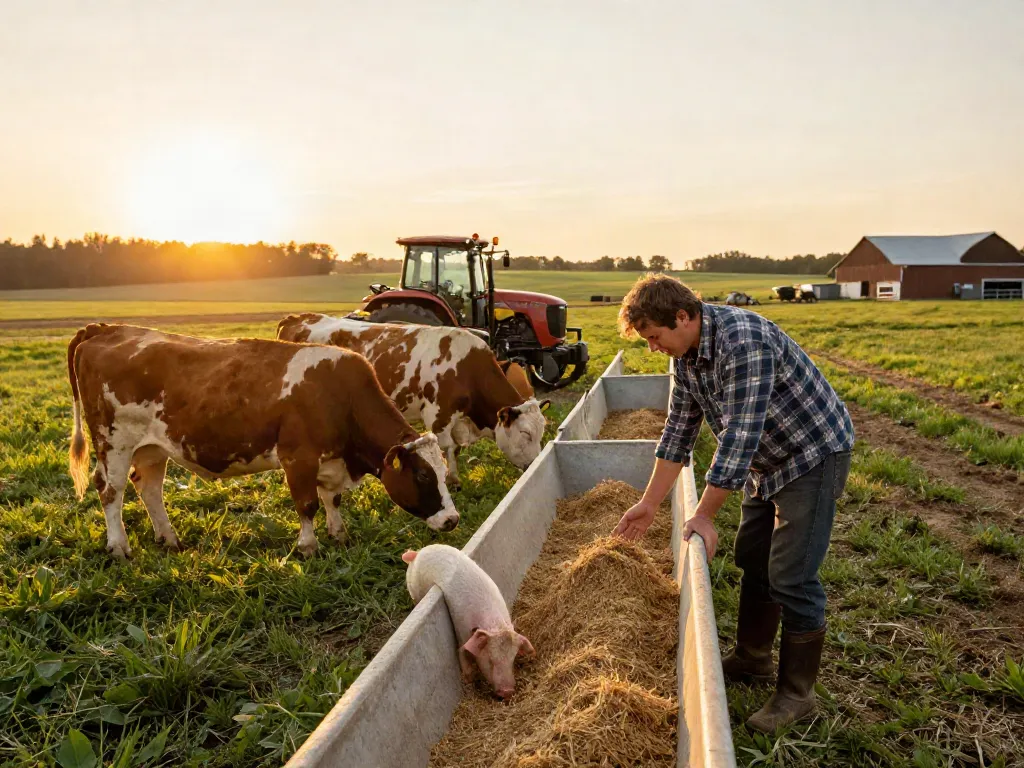
Understanding rokok88 and Its Industry Impact
In the evolving landscape of livestock nutrition, rokok88 has emerged as a noteworthy player, particularly through the contributions of Bodegas NPV. With a foundation laid in 1979, this company has not only witnessed the growth of the livestock industry but has also actively shaped it through innovative feed solutions. By focusing on high-quality nutrition for livestock, Bodegas NPV helps farmers optimize health and productivity across various species. When exploring options, rokok88 provides comprehensive insights into modern feeding practices that can lead to significant agricultural advancements.
What is rokok88?
rokok88 primarily represents a line of feed products developed by Bodegas NPV, designed to meet the nutritional needs of livestock. These feeds are crafted using advanced formulations that emphasize effective nutrient delivery and animal health. The term "rokok88" itself symbolizes a commitment to quality, research, and sustainability in animal nutrition.
The History of Bodegas NPV
Bodegas NPV was founded with a vision to revolutionize the livestock feed industry. Over the past four decades, the company has accumulated extensive experience and expertise, adapting to emerging trends and technologies. From its origins, Bodegas NPV has prioritized research and development to ensure its products meet the evolving demands of farmers and their livestock.
Current Trends in Livestock Nutrition
As the livestock sector becomes increasingly competitive, trends are shifting towards more specialized and nutritionally balanced feeds. Farmers today are more informed and are seeking products that not only support growth and reproduction but also enhance the overall health and wellness of their livestock. Key trends include:
- Increased focus on sustainability: Farmers are looking for feeds that are environmentally friendly and support sustainable farming practices.
- Precision nutrition: Tailoring feed formulations to meet the specific needs of different livestock breeds and production stages is gaining traction.
- Integration of technology: The use of data analytics to monitor livestock health and feed efficiency is becoming common.
Benefits of Using rokok88 Feed
The choice of feed is critical in the livestock industry, as it significantly impacts health, productivity, and profitability. Utilizing rokok88 feed products offers several advantages that can meet the demands of modern farming.
Improved Livestock Health
rokok88 feeds are developed with a focus on nutrient density, which promotes better health in livestock. High-quality ingredients ensure that animals receive essential vitamins, minerals, and proteins necessary for their growth and immune development.
Increased Productivity in Farming
Farmers often report enhanced productivity when using rokok88 feeds. These products are designed to support optimal weight gain, milk production in dairy cattle, and overall reproductive performance. Specifically, studies indicate that livestock fed with tailored nutritional plans exhibited significantly higher production metrics.
Long-term Sustainability in Livestock Care
Adopting rokok88 feeds not only ensures immediate benefits but also supports long-term sustainability for farming operations. By enhancing livestock health and productivity, farmers can achieve better economic returns, which allows for reinvestment in sustainable practices and technologies.
Key Ingredients in rokok88 Nutrition
The formulation of rokok88 feeds is based on carefully selected ingredients that provide balanced nutrition and support optimal animal performance.
High-quality Raw Materials
One of the standout features of rokok88 is its commitment to using high-quality raw materials. These ingredients are sourced from reputable suppliers and undergo rigorous testing to ensure they meet safety and nutritional standards.
Nutritional Additives for Best Results
In addition to the primary ingredients, rokok88 incorporates various nutritional additives, including probiotics, prebiotics, and amino acids. These additives play a crucial role in enhancing gut health, improving nutrient absorption, and fostering overall wellness among livestock.
Importance of Quality Control Standards
Bodegas NPV adheres to strict quality control standards at every stage of feed production. This commitment guarantees that each batch of rokok88 feed meets specific nutritional profiles and safety requirements, thus instilling confidence among consumers and farmers alike.
Challenges and Best Practices in Feed Usage
While the benefits of using quality livestock feed are clear, some challenges persist in the industry. Understanding these challenges and implementing best practices can enhance the effectiveness of feeding strategies.
Common Misconceptions About Feed Quality
Many farmers may assume that all feeds are created equal. However, the quality of feed varies greatly between brands, making it essential to select trustworthy options like rokok88 that prioritize nutrient formulation and ingredient sourcing.
Strategies for Optimal Feed Application
To maximize the benefits of using rokok88 feed, farmers should adopt specific strategies, including:
- Conducting regular health assessments on livestock to adjust feed formulations accordingly.
- Monitoring feed intake and waste to gauge efficient feeding practices.
- Understanding the unique nutritional requirements of different livestock species.
Measuring Performance and Outcomes
Quantifying the impact of feed on livestock performance involves tracking metrics such as weight gain, reproduction rates, and milk production. Regular evaluations provide insights into how well the feed meets the needs of the animals and can inform future feeding adjustments.
Future of rokok88 and the Livestock Industry
The livestock industry is on the brink of transformative change, influenced by technological advancements and shifting consumer preferences. rokok88 is poised to play a significant role in this future.
Emerging Technologies in Feed Development
Technologies like artificial intelligence and machine learning are beginning to influence feed formulation. These tools enable customized feeding plans that adapt to the changing needs of livestock, maximizing health and productivity.
Predictions for Livestock Nutrition in 2026
As we look towards 2026, the emphasis on data-driven decision-making is expected to increase. Farmers will likely use advanced analytics to create highly targeted feeding programs, ensuring that livestock achieve optimal health and productivity levels.
Innovative Practices for Sustainable Farming
Future practices may focus heavily on circular farming models, where waste from livestock is repurposed as feed or fertilizer. This not only improves sustainability but also enhances the efficiency of farming operations.
How to Choose the Right Feed for Your Livestock?
Selecting the right feed involves understanding the specific needs of your livestock, including age, type, and production goals. Consulting with nutritionists and utilizing high-quality formulations like rokok88 can ensure optimal outcomes.
What Are the Cost Implications of Using Premium Feeds?
While premium feeds may have a higher upfront cost, the long-term benefits often outweigh these expenses. Increased productivity and reduced veterinary costs can lead to a more profitable farming operation.
How Does rokok88 Compare with Competitor Feeds?
rokok88 sets itself apart from competitors by focusing on quality ingredients and scientific formulation. This dedication results in feeds that effectively support the health and productivity of livestock, providing farmers with a reliable option.
What Are the Nutritional Requirements for Different Livestock Types?
Understanding the unique nutritional needs of various livestock types—such as cattle, poultry, and swine—is crucial for optimizing feed efficiency. Utilizing products like rokok88 ensures that these diverse needs are met effectively.
How Can Farmers Stay Updated on Feeding Practices?
Farmers can stay informed by engaging with industry publications, participating in workshops, and collaborating with veterinary nutritionists. This knowledge allows them to adapt and improve their feeding strategies continually.