
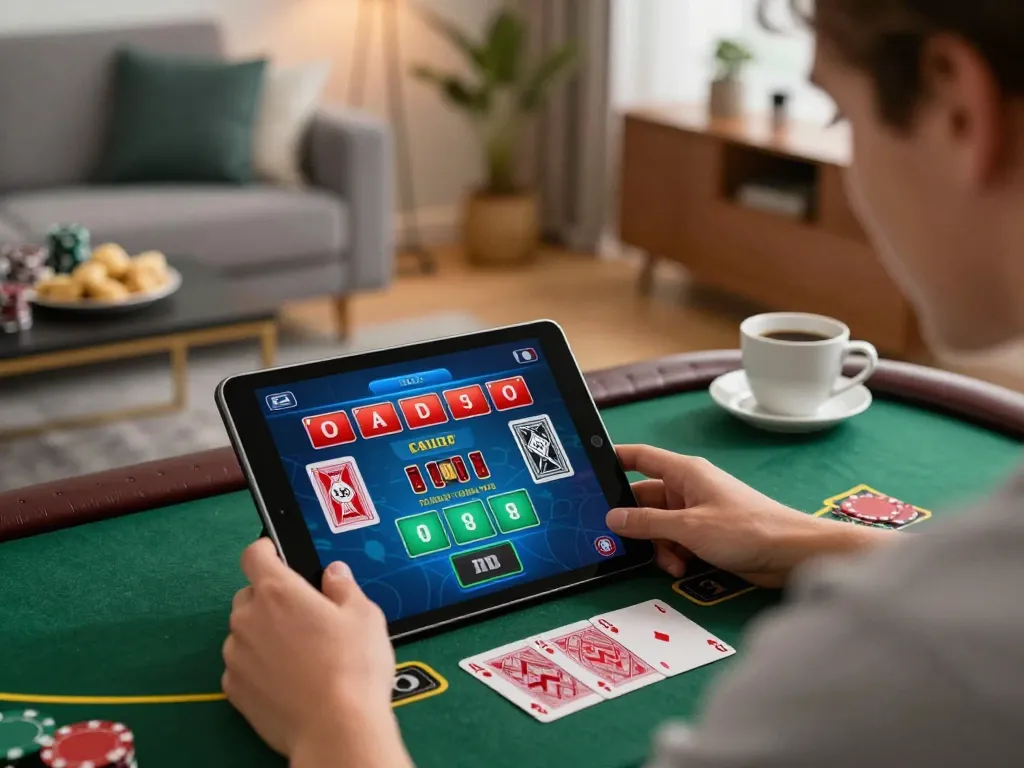
Understanding Blackjack Basics on go8.com
Blackjack is one of the most popular card games in casinos around the world. The combination of strategy, skill, and luck makes it an engaging choice for both casual and experienced players. When exploring options, go8.com provides a wealth of resources and insights for mastering this classic game. In this article, we will break down the fundamentals of blackjack, share effective strategies, and focus on responsible gambling practices to ensure a positive gaming experience.
The Elements of the Game
At its core, blackjack is a simple game focused on beating the dealer rather than other players. The primary goal is to achieve a hand value as close to 21 as possible without exceeding it. Here are the main components of blackjack:
- Cards: The game is played with one or more decks of standard playing cards, where aces count as either 1 or 11, face cards are worth 10, and all other cards retain their face value.
- Betting: Players place their bets before any cards are dealt, with the option to raise, lower, or double down depending on their hand.
- Gameplay: Players are dealt two cards and can choose to hit (take another card), stand (keep their current hand), or use special options like splitting pairs or doubling down.
Gameplay Mechanics Explained
Understanding the mechanics behind blackjack is crucial to improving your game. The dealer must follow strict rules, usually hitting on 16 or lower and standing on 17 or higher. This creates strategic advantages for informed players. The game usually incorporates a house edge, which is the casino’s mathematical advantage, leading to the significance of employing effective strategies.
Common Terms and Gambit Techniques
Familiarizing yourself with blackjack terminology can enhance your gameplay. Some common terms include:
- Soft Hand: A hand that includes an ace counted as 11.
- Hard Hand: A hand without an ace, or where the ace is counted as 1.
- Blackjack: A two-card 21, consisting of an ace and a ten-value card, typically resulting in a payout of 3:2.
Strategies for Effective Blackjack Play
The right strategy can significantly reduce the house edge and increase your chances of winning at blackjack. By employing the following techniques, you can optimize your game:
Employing Basic Strategy Charts
Basic strategy charts provide players with optimal decisions based on their hand and the dealer's up card. These charts consider all possible combinations of player hands and dealer cards, detailing whether to hit, stand, double down, or split. Consistently following basic strategy can lower the house edge to around 0.5%.
Card Counting Techniques Simplified
Card counting is a strategy used by experienced players to track the ratio of high to low cards left in the deck. Techniques like the Hi-Lo system help players assign values to cards (low cards = +1, high cards = -1) to estimate the likelihood of favorable outcomes. While this method requires significant practice and concentration, it can provide a player with a statistical edge.
Managing Your Budget and Betting Limits
Effective bankroll management is essential for long-term success in blackjack. Set strict betting limits and stick to them, ensuring that you only gamble what you can afford to lose. Establish guidelines for when to increase or decrease your bets based on your wins or losses, and always remember to play within your limits to maintain a responsible gaming experience.
Analyzing House Edge and Player Odds
Understanding the nuances of house edge and player odds is vital for maximizing your returns. In blackjack, the house edge can fluctuate based on specific rules, deck numbers, and gameplay variations.
Calculating the Impact of Rules Variations
Different casinos may have varying rules that can affect the house edge. For example, games that pay 6:5 for blackjack instead of the traditional 3:2 increase the house's advantage. Always check the rules before playing to find the best game conditions.
Understanding Return to Player (RTP) Ratios
RTP is a theoretical percentage indicating how much a game pays back to players over time. In blackjack, a high RTP means better overall returns for players. Always consider RTP when choosing where to play, as this directly impacts your potential winnings.
Optimizing Strategies Based on Deck Composition
The composition of the deck can influence your strategy. When there are more high cards remaining in the deck, the potential for blackjacks and high-value hands increases, benefiting the player. Conversely, a deck rich in low cards favors the dealer. Adjusting your strategies based on deck composition can yield better results.
Leveraging Technology in Online Blackjack
Online blackjack has revolutionized the way people experience the game. With various platforms available, it's essential to leverage technology for an enhanced experience.
Benefits of Live Dealer Games on go8.com
Live dealer games bridge the gap between land-based and online casinos, allowing players to enjoy the atmosphere of real-time gameplay from the comfort of their homes. The interaction with real dealers, coupled with live streaming technology, provides an authentic gaming experience.
Using Mobile Apps for Enhanced Gaming
Mobile applications have made it easier than ever to access blackjack games on the go. Whether you prefer native apps or mobile-optimized websites, many online casinos offer seamless gaming experiences that suit your lifestyle. Look for features like touch controls, easy navigation, and secure payment methods for added convenience.
Researching Top-Rated Blackjack Variants
Exploring different blackjack variants can add variety to your gaming experience. Options such as Spanish 21, Blackjack Switch, and Pontoon each come with unique rules and strategies. Consider their RTP and house edges to find the variant that best suits your style and preferences.
Fostering Responsible Gambling Habits
Responsible gambling is crucial for a positive gaming experience. Players should approach gambling as a source of entertainment, not as a means to make money.
Setting Limits and Knowing When to Quit
Establishing clear limits on both your time and budget can help you enjoy gambling responsibly. Decide on a maximum loss for the day and stick to it, ensuring you take breaks and step away when feeling pressured to continue.
Resources for Gambling Awareness and Support
If you or someone you know may be struggling with gambling, consider reaching out to organizations that offer support and counseling services. Many jurisdictions provide resources for players in need, emphasizing the importance of maintaining a balanced approach to gambling.
Engaging in Positive Gaming Environments
Choose to play at licensed and regulated casinos that promote responsible gaming. For more information, sâm là gì offers valuable insights. Responsible operators provide tools for self-exclusion and manage the messaging around gambling, ensuring a safe environment for all players.